
Services
Find support for market entry, overseas sales, technical procurement and import or export costs. Browse by industry or search for a product or service.

Brazilian supplier sourcing
Identify, verify and compare Brazilian manufacturers for an international purchase.
- Finding suppliers in Brazil
A product name rarely identifies the right factory. We translate its intended use, annual demand and destination into a Portuguese sourcing brief, then distinguish manufacturers from representatives. The shortlist records what each candidate actually makes, the evidence reviewed and which claims still need a sample or visit.
- Brazilian manufacturer verification
Match the legal seller to the production address, ask who owns the tooling and trace a representative order through the facility. A verification memo separates observed facts, supplier declarations and unanswered questions.
- Supplier capability assessment
A quoted monthly capacity may include other customers’ orders. We review shifts, bottleneck equipment, subcontracted operations and available inspection records before comparing the achievable volume with your delivery schedule.
- Requests for quotation
Put every bidder on the same revision of the drawing. We specify quantities, acceptable substitutions, packaging and delivery point, then flag exclusions so a missing operation cannot look like a lower price.
- Landed cost comparison
Normalize currency, order size and delivery terms before comparing freight, insurance, broker estimates and inland transport. The worksheet shows which inputs are quotations and how exchange-rate or shipment-size changes affect the ranking.
- Sample and pilot order coordination
Agree which characteristics the sample must demonstrate and whether it came from production tooling. We track revisions, photographs and buyer feedback in an approval record that can travel with the first purchase order.
- Factory visits in Brazil
Turn a plant tour into an evidence-gathering visit. We agree the processes to witness, arrange access with the site, record permitted observations and return a dated action list with responsible contacts.
- Supplier negotiation support
Build a negotiating position around price breaks, minimum orders, tooling ownership and payment milestones. A bilingual record captures agreed points and keeps open concessions visible before the buyer signs.
- Pre-shipment inspection coordination
Agree the lot identity, acceptance criteria, sampling plan and authority to release goods. We coordinate inspection evidence with the buyer and track corrective actions against the shipment deadline.
- Second-source development
Identify which dimensions, materials or tooling make a component hard to transfer. We qualify a backup candidate against the same acceptance tests and document switching time, minimum stock and remaining dependencies.

Trade and market access
Plan imports, exports and commercial partnerships from the first conversation to the handover at destination.
- International trade consulting
Map the transaction before placing an order. We identify the seller, buyer, forwarder and customs broker, assign each handoff and compare delivery scenarios against the commercial objective.
- Export readiness in Brazil
Review whether the product can be described, priced, packed and supported abroad. Gaps in technical sheets, production planning or after-sales coverage become a prioritized export preparation plan.
- Import planning for Brazil
Work backward from the required delivery date. We bring supplier lead time, document review, carrier bookings, customs-broker inputs and local delivery into a single dependency schedule.
- Brazilian market entry
Test one buyer segment before expanding nationwide. We compare direct sales, representatives and distributors by coverage, technical support, stock commitment and ability to serve the first accounts.
- Distributor identification
Look beyond the brand list to actual coverage. Interview partners about territory, salespeople, competing lines, demonstration stock and reporting, then compare their launch commitments.
- Brazil–Japan commercial coordination
Prepare technical questions before bilingual meetings and circulate decisions across time zones. Our founder’s decade in Japan informs how we handle revisions, approvals and follow-up with both teams.
- China sourcing and imports
Distinguish the exporting company from the factory, confirm the approved sample and align packing lists with the freight booking. We track production updates against the buyer’s agreed milestones.
- Trade document coordination
Compare invoice, packing list and transport instructions line by line for quantities, units, marks, weights and consignee details. A discrepancy log gives the issuer a clear correction request.
- Commodity procurement
Define grade, origin, lot size, inspection point and delivery window before approaching sellers. We compare offers on the same quality basis and identify where independent verification is needed.
- International business development
Build a first-account strategy for Latin America, the United States or Southeast Asia. We prioritize buyer profiles, test a localized offer and track objections so the next outreach round addresses real demand.
- Overseas business setup
Choose how to operate in a new country. We compare direct exports, a local distributor and an in-country operation against your budget, delivery commitments and customers’ buying habits.
- International business and technical procurement
Source finished goods, industrial components or equipment in Brazil, Latin America, Japan and other Asian markets. We identify manufacturers against your specification and assess their ability to supply the volume, quality and documentation you need.
- Import and export cost optimization
Trace the cost of an order from quotation to delivery. We connect purchasing, freight and inventory data to reveal costly delays, repeated manual work and differences between quoted and actual margin.
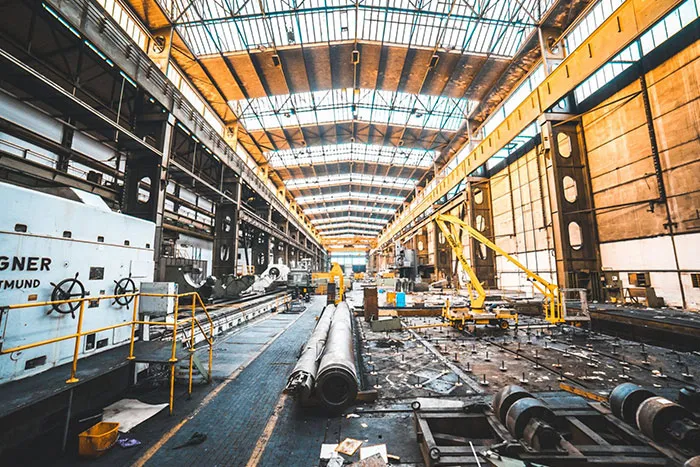
Engineering and automation
Evaluate equipment, improve production and connect mechanical design with the people operating the line.
- Industrial automation planning
Observe a complete production cycle and separate waiting, handling and machine time. Use the measured constraint to select automation opportunities and estimate the effect on throughput.
- Robotic cell feasibility
Compare payload, reach, orientation changes, tooling and available floor space. A cycle diagram identifies where manual intervention, guarding review and process trials belong.
- Mechatronic product development
Translate operating conditions into interfaces between mechanics, electronics and control software. Prototype reviews focus on measurable behavior at those interfaces before the design is frozen.
- Industrial pilot production
Choose a lot large enough to expose assembly variation. Track yield, rework, operator feedback and inspection time to decide which changes must precede series production.
- Machining and CNC sourcing
Review datum references, tolerances and surface finish against inspection capability. Suppliers quote using the same drawing revision, material condition and lot size.
- Industrial power systems
Inventory connected loads, duty cycles and installation constraints before requesting equipment proposals. Interface schedules identify the electrical information required from each machine vendor.
- Maintenance planning
Rank assets by downtime impact and access to spares. Turn recurring failures and maintenance history into inspection intervals, parts lists and work orders for the local team.
- Production process optimization
Measure queue length, changeover losses and first-pass yield at the constraint. Trial one change at a time and compare equivalent production runs before scaling it.
- CAD and mechanical assemblies
Use AutoCAD or SOLIDWORKS drawings to review fits, fastener access and assembly order. The release package reconciles model revisions, manufacturing drawings and the bill of materials.
- CAE and finite element studies
State the load case, boundary conditions and material assumptions before interpreting stress plots. A sensitivity review shows which assumptions need physical measurements or a prototype test.
- CAM and production handoff
Connect part geometry to the shop’s machine envelope, stock, fixtures and tools. The handoff includes setup references, revision control and the first-piece inspection points.

Industrial machinery
Compare machinery by its duty cycle, site interfaces, serviceability and delivered cost.
- Engines and turbines
Compare continuous duty, service environment and overhaul support. Request performance curves at the intended load alongside the proposed spare-parts package.
- Farm and garden machinery
Match implement width, terrain and seasonal operating hours to available power and local service. Verify attachment compatibility before comparing purchase prices.
- Construction and mining equipment
Specify material density, haul distance and duty cycle. Compare wear parts, access for maintenance and transport dimensions with the supplier’s quoted productivity.
- Materials handling systems
Trace a load from receipt to dispatch. Pallet dimensions, peak flow, turning space and handoff heights determine the practical fit of conveyors, lifts or mobile equipment.
- Metalworking machinery
Compare work envelope, rigidity and available tooling for the actual parts mix. A representative test piece makes quoted cycle times and achievable tolerances easier to assess.
- Injection molding equipment
Review shot size, clamp force and mold connections together. Coordinate trial material, utility requirements and acceptance samples before authorizing transport.
- Molds and industrial tooling
Record cavity count, expected life, maintenance access and ownership. A tooling register keeps drawing revisions, trial results and release conditions with the correct asset.
- Industrial refrigeration
Describe temperature range, product loading pattern and door openings before requesting cooling capacity. Compare energy assumptions, service access and temperature monitoring across offers.
- Commercial and office equipment
Build a model-level comparison for computers, peripherals and service equipment. Include consumables, local voltage, warranty route and replacement lead time in the purchase decision.
- Rail and aerospace supplier coordination
Translate the buyer’s drawing, traceability requirements and approval restrictions into a supplier questionnaire. Identify where the customer or an authorized specialist must approve a source or process change.

Automotive and classic vehicles
Source vehicles and parts with documented identification, condition and fitment evidence.
- Classic car exports from Brazil
Define model, year range, originality and intended use before inspecting cars. We assemble condition photographs, seller documents and transport options for the buyer and destination broker.
- Volkswagen Beetle and Kombi sourcing
Distinguish Brazilian model-year changes, body styles and restoration choices. Request close-ups of floor panels, window openings and identification markings alongside history and ownership documentation.
- Brazilian collector vehicle searches
Compare Brasília, Variant, Karmann Ghia, Notchback, Golf and Chevrolet Opala candidates against the brief. Separate documented original features from replacements and seller descriptions.
- Restoration project coordination
Set an agreed finish standard for bodywork, paint, interior and mechanical work. Photograph progress at each stage and obtain buyer decisions before irreversible changes or scope increases.
- Auto parts sourcing in Brazil and China
Cross-reference part numbers with production dates, market and vehicle variant. The comparison records manufacturer, dimensions, finish, packaging and whether fitment was demonstrated on the intended vehicle.
- Original and replacement parts
Separate genuine, period-stock and aftermarket offers. We request marks, provenance and critical measurements so the buyer can choose between authenticity, availability and serviceability.
- Custom vehicle accessories
Start with mounting points, material and required clearance. Approve a dimensional sample and finish reference before ordering a batch of trim, fittings or brackets.
- Used vehicle exports from Japan
Interpret available condition records, mileage history and photographs against the buyer’s specification. Coordinate inspection questions and route options before the buyer commits to a vehicle.
- Automotive shipment preparation
Coordinate condition reports, loose-parts inventories and loading photographs. Agree how keys, documents and handover signatures will reach the consignee before scheduling collection.
- Diesel component procurement
Match injection equipment and engine components using serial numbers, plate data and configuration. Compare new, exchange and overhaul proposals with core return conditions and test documentation.

Construction systems
Coordinate industrialized building components, imported materials and on-site installation interfaces.
- Light steel framing
Compare section schedules, coatings and connection details against the project drawings. Check packaging and erection sequence so numbered bundles arrive in the order the site needs.
- Portable buildings
Define the relocation frequency, lifting points, transport envelope and service connections. Compare models on setup time and repeatable assembly at the user’s intended sites.
- Prefabricated construction systems
Evaluate Chinese and other prefabrication technologies by module dimensions, tolerances and site interfaces. Separate factory scope from foundations, utilities and finishing work in the bid comparison.
- Drywall and interior partitions
Specify the complete partition assembly, including board, framing, fasteners and joints. Compare supplier data for the intended room conditions and flag incompatible combinations before ordering.
- EPS thermal insulation
Compare declared thermal properties, density, thickness and panel dimensions. Map packaging volumes and protection needs because transport space can outweigh the apparent price advantage.
- Cement board systems
Review board thickness, edge treatment, joints and supporting frame as a package. Include breakage allowance and handling instructions in the shipping and site handover plan.
- Exterior cladding
Request samples and assembly details for substrate, fixing method and weather exposure. Compare color consistency across lots and the supplier’s provision for future replacement panels.
- Wallcoverings and wallpapers
Calculate roll yield using repeat pattern, usable width and wall height. Record approved finish samples and batch numbers to keep adjoining rooms visually consistent.
- PVC roofing systems
Compare profile geometry, overlaps, fastener kits and compatible ridge pieces. Capture transport length limits and accessories in the bill of quantities before comparing supplier totals.
- Vinyl flooring procurement
Specify format, wear layer, backing and installation method for each space. Align lot colors, substrate preparation and spare material with the installation contractor.
- Window and frame sourcing
Translate opening schedules into dimensions, handing, glazing and hardware for each unit. Require identified packing and installation drawings to reduce mix-ups at delivery.

Renewable energy
Assess generation, storage and industrial energy projects using measured demand and realistic operating assumptions.
- Solar module sourcing
Compare model-specific datasheets, dimensions, connectors and warranty channels. Check how pallet quantities and potential replacement modules fit the design and operating plan.
- High-capacity lithium storage
Distinguish nominal capacity from the usable energy available at the intended duty cycle. Request operating limits, control interfaces, warranty conditions and transport documentation from each vendor.
- Solar generation packages
Reconcile modules, inverters, mounting hardware and monitoring in one bill of materials. Clarify which components and installation tasks remain the site contractor’s responsibility.
- Renewable energy project coordination
Connect the owner, designer, installer and equipment suppliers through an interface register. Track site information, design approvals and long-lead components against the intended commissioning window.
- Fuel cost reduction studies
Establish fuel consumption per unit of useful output. Compare operating changes, maintenance options and alternative power under the same duty profile and fuel-price assumptions.
- Emissions upgrade planning
Inventory engines, operating hours and existing measurement records. Coordinate the applicable requirements with the responsible specialist and compare retrofit options, downtime and verification costs.
- Solar-assisted hybrid drives
Compare daily energy demand and charging windows for a plug-in hybrid drive. Identify where solar generation can contribute, then test the sensitivity to route, load and available charging time.
- Energy monitoring and baselines
Align meter readings with operating hours and production quantities. A baseline adjusted for output helps separate genuine efficiency gains from a quiet shift or lower demand.

Software and technology
Develop the tools, integrations and research workflows that connect technical work to everyday business operations.
- Custom ERP development
Follow an order from quotation through purchasing, stock movement and invoicing. We define shared records and approval rules, then test the first working flow with the people who operate it.
- SAP integration support
Define which system owns each master record and how errors return to the operator. Coordinate mapping, test cases and reconciliation with the client’s SAP team before enabling an interface.
- E-commerce development
Map product variants, inventory availability, checkout and fulfillment acknowledgements. Test a representative order including cancellation and return so the storefront agrees with back-office records.
- Multilingual website engineering
Design language-specific URLs and navigation around real customer journeys. Static publishing, accessible layouts, search metadata and redirects are tested together before replacing the previous site.
- Mobile business applications
Model the field worker’s task, including poor connectivity, repeated submissions and device changes. Prototype the shortest usable flow and define how the office reconciles synchronized records.
- API and systems integration
Document field ownership, message format, retry behavior and duplicate detection. An end-to-end test traces one transaction across both systems and checks totals after interruptions.
- Web data collection
Choose permitted public sources and define the fields, update frequency and attribution. Build change detection and validation so a source layout change is visible before downstream reports use bad data.
- Robotic process automation
Identify repetitive tasks with stable inputs and explicit exception paths. The automation keeps execution records and a manual recovery step for missing documents or ambiguous approvals.
- Applied artificial intelligence
Select a bounded task such as organizing technical documents. Define a reference set, acceptable error and human review points before comparing model output with the existing workflow.
- Machine learning evaluation
Check how labels were produced and reserve representative data for testing. Report errors by operating condition and compare the proposed model with a simple baseline.
- Full-stack web applications
Connect React or Next.js interfaces to Node.js or NestJS services through explicit contracts. Implement a complete user task first, including validation, permission checks and useful failure messages.
- Legacy software modernization
Inventory C, C++, C#, .NET, VB, VBA, PHP, Java, Ruby or Delphi components and their dependencies. Capture current outputs before replacing modules so important behavior survives migration.
- Server and cloud configuration
Map workloads, availability needs and recovery objectives before choosing hosting. Configure a repeatable deployment and verify that backups can restore a representative workload.
- Database architecture and migration
Trace relationships and business keys in SQL, MySQL or PostgreSQL systems. Rehearse migration with row counts, reconciled totals and an explicit cutover and rollback sequence.
- Research image analysis
Design reproducible Python or MATLAB workflows for research datasets, including CT and MR volumes. Document preprocessing, spatial calibration and validation against reference annotations for nonclinical evaluation.
- 3D reconstruction and visualization
Convert aligned image sequences or measured geometry into inspectable surfaces and animations. Record assumptions about scale, spacing and interpolation so reviewers can distinguish measurements from reconstructed detail.

Beauty and protective products
Compare consumer goods and protective supplies at the model, batch and packaging level.
- Protective mask procurement
Separate PFF2, KF94 and three-layer nonwoven offers by intended market, manufacturer, model and lot. Request traceable documentation for the exact product ahead of the buyer’s regulatory review.
- Procedure gloves
Distinguish material, size mix, powder status, box count and intended use in the purchase brief. Compare carton markings and sample labeling with the supplier’s submitted specifications.
- Face shields and safety eyewear
Request identified samples to review coverage, adjustment, optical clarity and packaging. Evidence for the destination market must refer to the offered assembly and model.
- Disposable caps and consumables
Compare dimensions, material weight, pack hygiene and units per shipping carton. Reconcile stated quantities with the buyer’s issue rate and storage capacity.
- Makeup sourcing
Organize shade ranges, finishes, tester formats and minimum quantities by SKU. Use approved color references and labeled samples to avoid confusing visually similar variants.
- Skincare product sourcing
Request ingredient declarations, batch identification, remaining shelf life and packaging specifications. Compare the proposed label and product claims with the brief for the destination specialist’s review.
- Beauty brushes and sponges
Compare fiber composition, attachment, density and cleaning behavior using buyer-approved samples. Define acceptable appearance variation and retail packaging before requesting a production lot.
- Beauty kits and cosmetic bags
Specify each kit component, color combination, pouch construction and packing order. A signed sample and component checklist help control substitutions during assembly.

Project and business management
Organize decisions, people and information across commercial, engineering and operational teams.
- Technical project management
Break the project into decisions, dependencies and acceptance milestones. A working schedule in Microsoft Project or an agreed format shows the owner, deadline and consequence of each unresolved item.
- Cross-border stakeholder management
Identify who approves, funds, supplies and operates each workstream. Agree escalation paths and written decisions across countries so time-zone gaps do not leave critical work unowned.
- Strategic operations planning
Translate a growth objective into capacity, purchasing, staffing and cash-timing assumptions. Compare scenarios, identify limiting resources and select indicators that managers can review monthly.
- Procurement workflow design
Trace purchase requests through approval, comparison, receipt and invoice matching. Define thresholds, evidence and exception ownership so urgent purchases can still be reconciled afterward.
- Business process mapping
Observe a real transaction and record queues, re-entry and approvals in a Visio-style swimlane map. Validate the current state with operators before proposing a future workflow.
- Excel and office automation
Audit linked workbooks, Access files, VBA macros and manually prepared reports. Add input checks, traceable calculations and repeatable exports to reduce reconciliation time.
- Technical documentation
Build operator guides and interface notes from the actual workflow. Capture prerequisites, version references, expected results and recovery steps, then ask a second operator to follow the draft.
- Cross-cultural business workshops
Rehearse a Brazil–Japan supplier meeting, quotation clarification or project escalation. Participants practice framing questions, recording commitments and confirming a shared interpretation across languages.
- Technology commercialization
Translate a technical feature into a buyer problem, testable benefit and demonstration plan. Interview prospective users and document what evidence procurement needs before a pilot purchase.
- Analytical modeling and decision tools
Turn pricing, volume and timing assumptions into a transparent scenario model. Verify calculations against known examples and show which inputs drive changes in the preferred commercial option.